Siding Installation Help in Royal Oak
Request a siding estimate
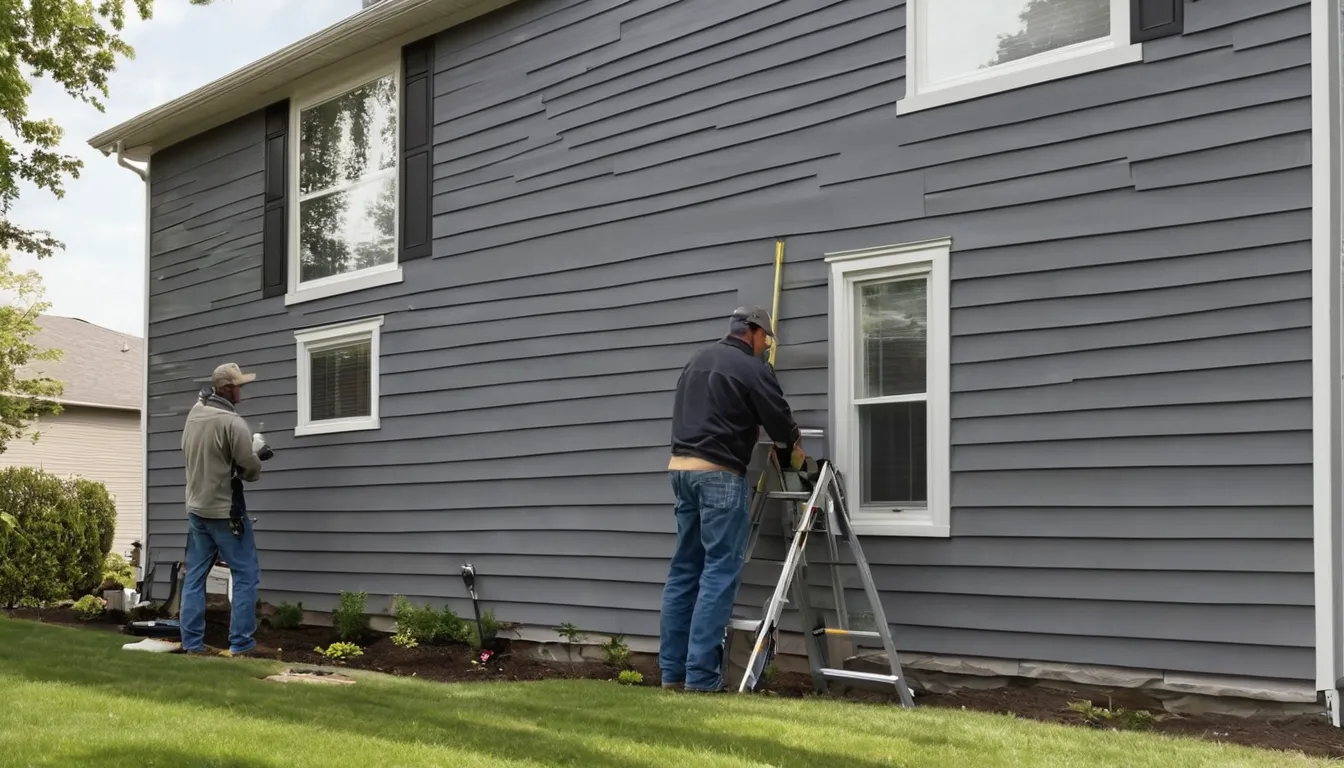
Siding protects the wood frame of your house from rain, wind and snow. It also fails in stages. First panels fade and turn brittle. Next they crack in the cold or get punched by hail. Then water gets behind them and soaks the sheathing.
Visitroyal Windows & Siding routes your request to an independent local provider who installs siding. The provider walks the house, checks for soft spots, inspects trim and flashing and explains material options. You receive a written estimate and decide on your own timeline. The provider does the work, sets the price and backs the labor. Visitroyal Windows & Siding only routes your request.
After a Storm
1. Wait until the storm passes. 2. Walk all four sides of the house. 3. Look for holes, cracks, dents and loose pieces. 4. Watch for nails and sharp edges on the ground. 5. Take dated photos of every damaged area. 6. Tarp any open wall sections. 7. Call your insurer if the damage is from the storm.
Then reach out for an estimate.
Early Warning Checklist
Walk the house and check:
- Cracks and holes: common after hail or flying debris
- Ripples and bulges: panels pinned too tight or old panels losing shape
- Soft spots: press the wall under windows and near the ground
- Gaps: at seams, corners and around windows
- Mold or streaks: on shaded, damp walls
- Brittleness: faded panels that crack when pressed
- Inside clues: peeling paint on the inside of exterior walls
Rule of thumb: damage across a whole wall or more usually means new siding, not patches.
Why Act Early
- Stage one, brittle panels: cosmetic, still dry underneath
- Stage two, cracks and gaps: water starts getting in
- Stage three, soft walls: sheathing rot and possible framing repair
Acting at stage one or two keeps the job simpler.
Seasons and Siding
- Winter: vinyl gets brittle; providers handle it gently or wait
- Spring: popular; check for hail damage first
- Summer: vinyl expands; gaps are set smaller
- Fall: popular; book early
Installers set panel gaps for the day's temperature so siding can move.
Material Options
Vinyl Siding
- Most common choice
- Low cost, many colors
- Little upkeep
- Thicker panels resist cracking
Fiber Cement
- Heavy and durable
- Holds up to hail and fire
- Needs paint every several years
Engineered Wood
- Real wood look
- Lighter than fiber cement
- Needs paint and sealed edges
Insulated Vinyl
- Foam backing
- Stiffer panels
- Adds a little insulation
What Goes Under the Siding
1. Sheathing: the boards on the wall; replaced where rotted 2. House wrap: a sheet that blocks water and wind 3. Flashing: metal or tape around windows and doors to steer water out 4. Panels and trim: the visible layer
Ask how the provider handles each layer.
Older Homes
- May have two or three layers of old siding
- May have wood clapboard under vinyl or aluminum
- Some very old siding may contain asbestos and needs testing and careful handling under the rules
- Removing old layers lets the provider find rot
Trim, Soffits and Fascia
- Trim: boards around windows, doors and corners; joints must be sealed
- Soffit: the panel under the roof edge; vented soffits let the attic breathe
- Fascia: the board behind the gutter; often wrapped in metal or vinyl
Rain usually gets in where two materials meet. Ask how each joint will be sealed.
Preparing for the Crew
1. Move grills, patio furniture and planters away from the walls. 2. Park cars out of the driveway on work days. 3. Keep pets inside. 4. Mark sprinkler heads and delicate plants. 5. Ask the crew to sweep the yard for nails each day.
Upkeep After Installation
- Wash vinyl once or twice a year with a soft brush and hose
- Trim shrubs back from the walls
- Point sprinklers away from the house
- Walk the house after hailstorms
- Repaint fiber cement and engineered wood on the maker's schedule
Hiring Residential Siding Contractors
Residential siding contractors vary. Look for one who:
1. Explains the house wrap and flashing plan 2. Lists removal and trim in the estimate 3. Explains how rot is priced 4. Protects plants and sweeps for nails
Who Does What
- You: report damage, compare estimates, choose a provider
- Visitroyal Windows & Siding: route your request to an independent provider
- Provider: inspect, estimate, install and back the labor
Questions to Ask
- Remove old siding or install over it?
- Which house wrap and flashing?
- Panel thickness?
- Product and labor warranties?
- How is rot repair priced?
Request a callback to talk with an independent siding provider about your home.
What's Included
Wall Inspection
The provider checks for rot, soft spots, gaps and storm damage.
Material Choice
Vinyl, insulated vinyl, fiber cement or engineered wood options.
Weather Barrier
House wrap and flashing go on before panels to keep water out.
Trim and Cleanup
Corners, soffits and trim finished; nails and scraps removed.
Typical Siding Installation Costs
These are typical U.S. ranges, not quotes. Your price depends on house size, material, removal and what is found underneath. The provider sets the price in a written estimate.
| Item | Typical range | Notes |
|---|---|---|
| Vinyl siding | $4 to $8 per sq ft | Installed, most common |
| Insulated vinyl | $6 to $11 per sq ft | Stiffer panels |
| Fiber cement | $7 to $14 per sq ft | Durable, needs paint |
| Engineered wood | $5 to $10 per sq ft | Wood look |
| Old siding removal | $1 to $3 per sq ft | More for extra layers |
| Sheathing repair | $70 to $150 per sheet | When rot is found |
How It Works
Note the Damage
List cracked, loose or soft areas and take photos.
Call or Send Form
We route your request to an independent provider.
Review the Estimate
The provider inspects and lists materials, removal and trim.
Decide and Schedule
If you hire the provider, pick dates that suit the weather.
Why Call Visitroyal Windows & Siding
Clear Roles
You know who routes, who inspects and who installs.
Early Action
Checklists help you catch damage before the wall rots.
Written Estimates
Removal, materials and trim listed for easy comparison.
No Obligation
Ask questions and decide on your own schedule.
Other Services
Need siding installation help in Royal Oak?
List the windows or walls you are worried about and your timing. We will route you to an independent local provider.
No obligationSiding Installation Help FAQ
How long does siding installation take?
Many average homes take three to seven work days. Removal, rot repair and weather can add time. Get the schedule in writing before work starts.
Can new siding go over old siding?
Sometimes, if the old layer is flat and dry. Removing it lets the provider find rot and add house wrap. Ask which approach fits your walls.
Will insurance cover hail damage to siding?
Some policies may cover sudden storm damage. Check your policy and call your insurer. A provider can often help document the damage for a claim.
Tell us what happened
List the windows or walls you are worried about and your timing. We will route you to an independent local provider.
No obligation